








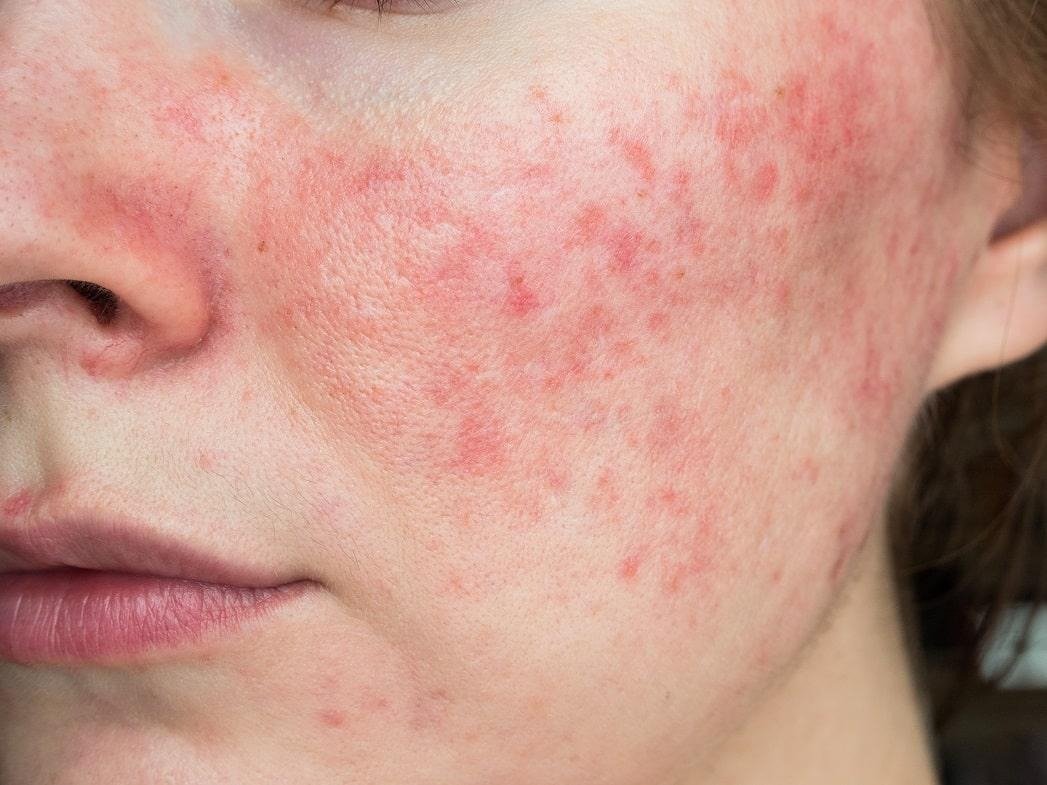
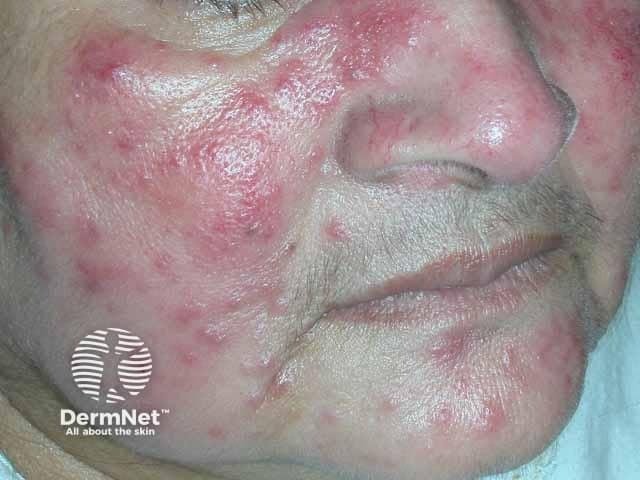
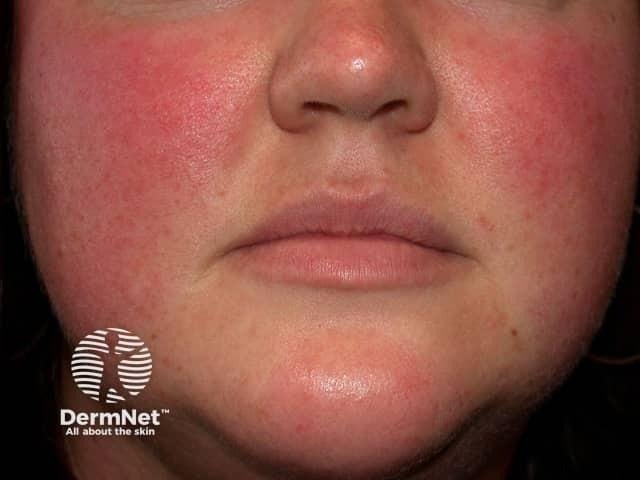
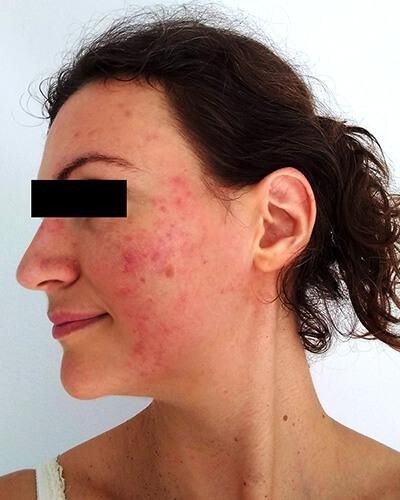
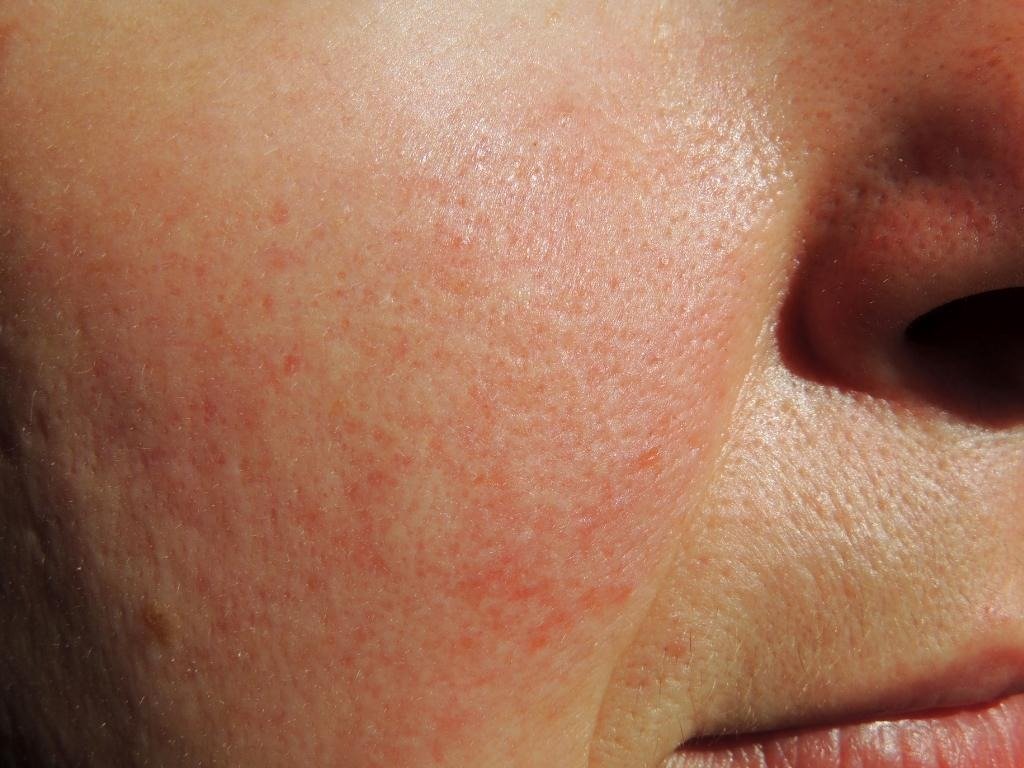
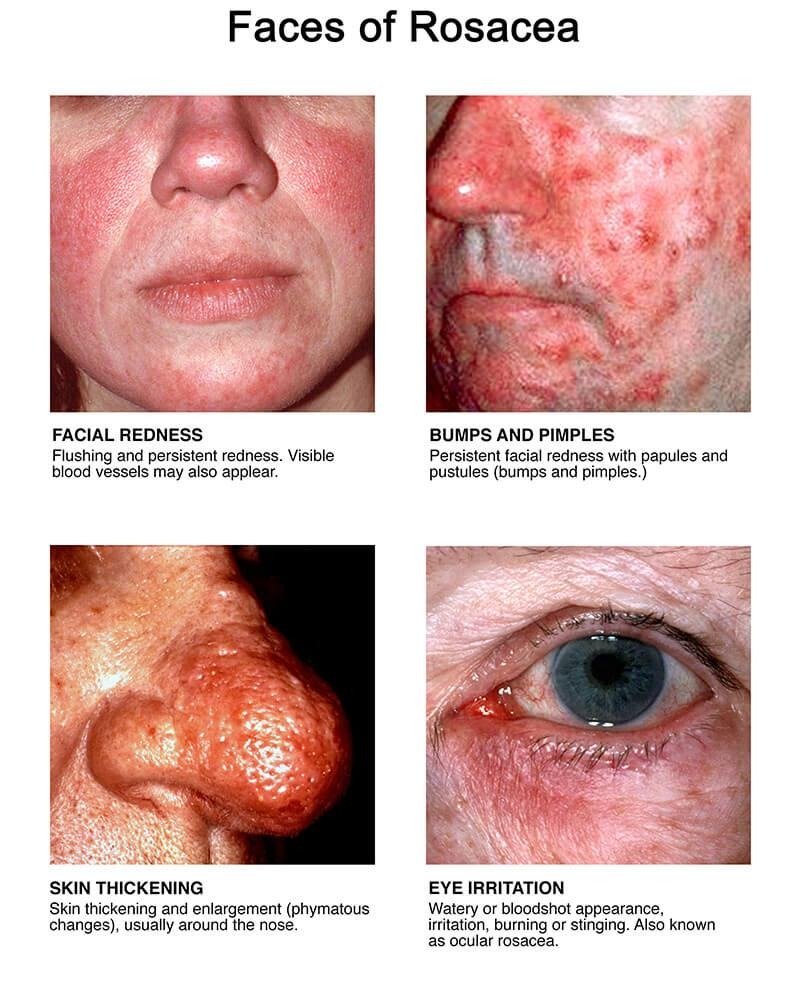
Ivermectin 1% cream (such as Ivrea) is a topical dermatological treatment primarily used for managing rosacea, a chronic skin condition characterized by redness, inflammation, and acne-like lesions.
This medication is valued for its dual mechanism—reducing inflammation while targeting underlying contributors to the condition.
What Ivermectin Cream Is Used For
Topical ivermectin is commonly prescribed for:
- Papulopustular rosacea
- Inflammatory facial skin conditions
For a full breakdown of usage and practical details, this guide explains how ivermectin 1% cream is used and what results to expect in treatment:
ivermectin 1% cream usage guide
How Ivermectin Works
Ivermectin provides benefits through two main actions:
- Anti-inflammatory effect – helps reduce redness and irritation
- Targeting skin microorganisms – supports improvement in rosacea-related symptoms
This combined effect makes it particularly useful in persistent inflammatory skin conditions.
Clinical Effectiveness
With consistent use:
- Improvements may appear within several weeks
- Skin becomes clearer and less inflamed
- Long-term results improve with continued treatment
How to Use Ivermectin Cream
Typical recommendations:
- Apply once daily
- Use a thin layer on affected areas
- Avoid sensitive areas such as eyes
Consistency is key for visible results.
Safety and Side Effects
Ivermectin cream is generally well tolerated. Possible side effects include:
- Mild irritation
- Burning sensation
- Dryness
Clinical Information
For medically reviewed information on topical ivermectin, see this clinical overview of ivermectin treatment for skin conditions:
ivermectin topical therapy overview
Conclusion
Ivermectin 1% cream is an effective and well-tolerated option for managing rosacea and inflammatory skin conditions. With proper use, it can significantly improve skin clarity and reduce persistent redness.