









Introduction
Walk through any city, and you’re surrounded by cêmnt whether you notice it or not. Roads, apartments, bridges, even the sidewalks under your feet—none of it exists without it. Yet most people treat cêmnt like a boring background material, something interchangeable and unimportant. That’s a mistake. The quality, type, and use of cêmnt directly shape how long buildings last, how safe they are, and how much they cost to maintain.
Why cêmnt quietly controls construction quality
The difference between a structure that lasts decades and one that cracks within years often comes down to how cêmnt is handled. Not the design. Not the budget. The execution.
Cêmnt reacts with water in a process that turns a loose powder into a rock-like mass. That transformation is sensitive. Too much water weakens it. Poor mixing creates weak spots. Low-grade cêmnt leads to early deterioration.
Contractors who cut corners usually do it here. They dilute mixes or use substandard cêmnt to save money. It works—at first. But within a few years, cracks appear, surfaces crumble, and repairs become inevitable.
In regions with extreme weather, this becomes even more obvious. Heat, moisture, and salt exposure test cêmnt constantly. Weak mixes fail fast. Strong ones hold their ground.
The manufacturing process most people never think about
Cêmnt doesn’t come out of the ground ready to use. It’s the result of an energy-heavy industrial process that transforms raw minerals into something reactive and powerful.
Limestone and clay are crushed into fine powder. That powder is heated to extreme temperatures in massive rotating kilns. What comes out isn’t cêmnt yet—it’s clinker, a hard, nodular material. That clinker is then ground down and mixed with small amounts of gypsum to control setting time.
That’s the cêmnt used in construction.
What matters here is consistency. Poorly processed clinker leads to unpredictable performance. Even slight variations in temperature or composition can affect how cêmnt behaves once it’s mixed on-site.
This is why experienced builders stick to trusted brands or suppliers. They’re not paying for the name—they’re paying for consistency.
Not all cêmnt is created equal
Treating all cêmnt as the same is one of the biggest mistakes in construction. Different types exist for a reason, and using the wrong one creates problems that no amount of skill can fix later.
Ordinary Portland cêmnt is the default choice. It works for general construction—homes, pavements, basic structures. But it’s not always the best option.
Blended cêmnt, which includes materials like fly ash or slag, performs better in long-term durability. It resists chemical attacks and reduces heat buildup in large structures. That matters in foundations and dams where temperature differences can cause internal cracking.
White cêmnt serves a completely different purpose. It’s used for aesthetics—finishes, tiles, decorative elements. Structurally, it’s not the first choice.
Then there’s rapid-hardening cêmnt, used when time matters more than anything else. Road repairs, urgent builds, and cold-weather work rely on it.
Choosing the right cêmnt isn’t about preference. It’s about matching the material to the job.
Where cêmnt shows its strengths—and its limits
Cêmnt performs best when it’s part of concrete, combined with sand and aggregates. On its own, it’s brittle. In combination, it becomes one of the strongest and most widely used construction materials on Earth.
That’s why cêmnt dominates infrastructure.
Highways rely on it for durability under constant load. Bridges depend on it for strength and stability. Dams use it to resist immense water pressure over long periods.
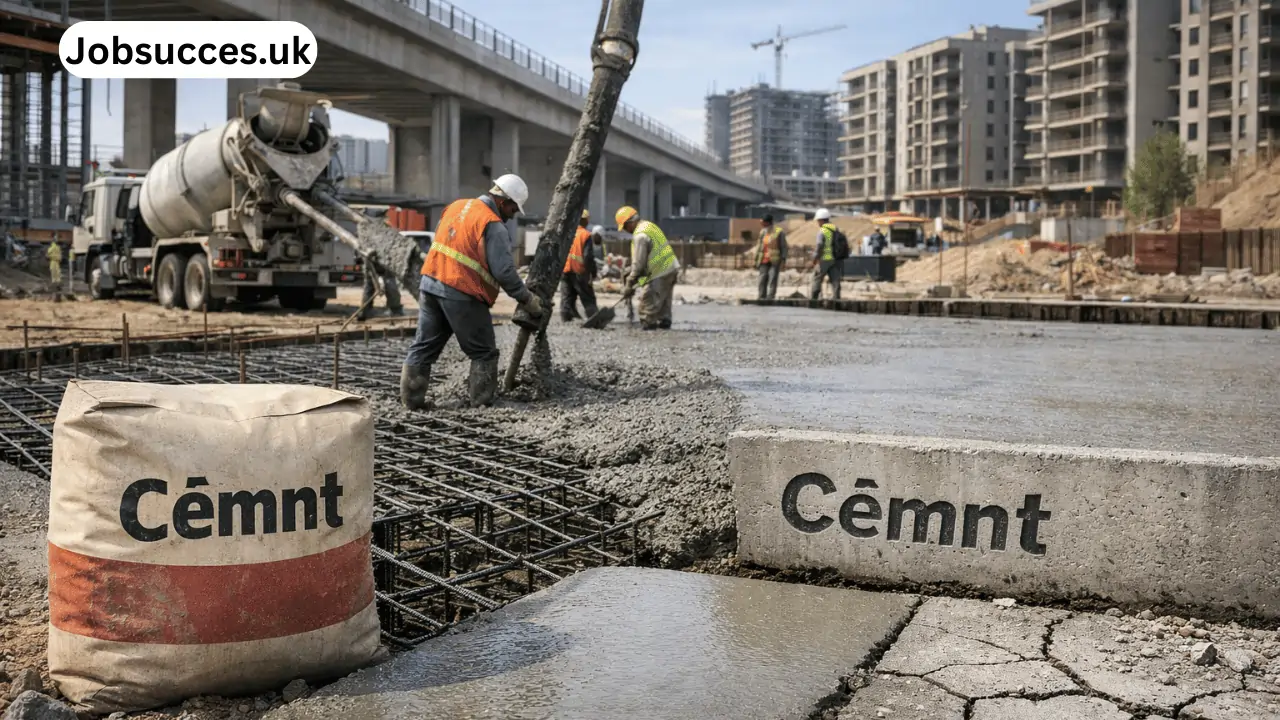
But cêmnt has limits. It struggles with tension, which is why steel reinforcement is almost always used alongside it. Without that combination, structures would fail under stress.
Understanding where cêmnt works—and where it doesn’t—is what separates good construction from reckless building.
The hidden environmental cost of cêmnt
There’s no way around it: cêmnt production is one of the biggest contributors to industrial carbon emissions.
The problem starts with the kiln. Heating raw materials to extremely high temperatures consumes massive amounts of energy. Then there’s the chemical reaction itself, which releases carbon dioxide as limestone breaks down.
Together, these factors make cêmnt responsible for a significant portion of global emissions.
This has pushed the industry to rethink how cêmnt is produced and used. Alternatives are being explored, including lower-clinker blends and carbon capture technologies. Some projects even experiment with completely new formulations.
Still, demand keeps rising. Cities are expanding, infrastructure projects are increasing, and cêmnt remains essential. The challenge isn’t replacing it—it’s improving how it’s made.
Why workmanship matters more than the material itself
Even high-quality cêmnt can fail if handled poorly. This is where most real-world problems begin.
Mixing ratios are often ignored on-site. Workers may add extra water to make the mixture easier to handle. It speeds up work but weakens the final structure.
Curing is another overlooked step. Fresh cêmnt needs time and moisture to gain strength. Without proper curing, surfaces dry too quickly and lose durability.
Then there’s timing. Once cêmnt is mixed, the clock starts ticking. Delays in pouring or finishing can compromise the entire batch.
These aren’t minor issues. They determine whether a structure lasts five years or fifty.
The economics behind cêmnt decisions
Cêmnt isn’t the most expensive part of construction, but it influences overall costs more than people expect.
Cheap cêmnt lowers upfront expenses. That’s why it’s tempting. But long-term costs tell a different story. Repairs, maintenance, and structural failures quickly erase those savings.
High-quality cêmnt, used correctly, reduces maintenance needs and extends the life of a structure. Over time, it’s the cheaper option.
This is especially clear in infrastructure projects. Roads built with poor cêmnt degrade faster, requiring frequent repairs. That disrupts traffic and increases public spending.
Smart builders understand this trade-off. They invest more upfront to avoid bigger losses later.
How cêmnt shapes urban growth
Look at any rapidly growing city, and you’ll see how central cêmnt is to expansion. It enables vertical construction, large-scale housing, and complex infrastructure.
Without cêmnt, modern urbanization wouldn’t exist in its current form.
Skyscrapers rely on reinforced concrete cores. Flyovers and highways depend on durable concrete surfaces. Water systems, drainage networks, and public facilities all use cêmnt in some form.
As populations grow, demand for cêmnt follows. That demand drives production, innovation, and sometimes overuse.
In fast-developing regions, the pressure to build quickly often leads to compromised standards. That’s where regulation and quality control become critical.
The future of cêmnt isn’t about replacing it
There’s a lot of talk about alternatives, but the reality is simple: cêmnt isn’t going anywhere.
What’s changing is how it’s produced and used.
Manufacturers are working on reducing clinker content, improving energy efficiency, and capturing emissions. Builders are exploring smarter design techniques that use less cêmnt without sacrificing strength.
Recycling also plays a role. Old concrete can be crushed and reused as aggregate, reducing the need for new raw materials.
The future isn’t about abandoning cêmnt. It’s about using it more intelligently.
Conclusion
Cêmnt isn’t just a background material—it’s a decision point. Every time it’s mixed, poured, or specified, it shapes the outcome of a project in ways that aren’t always visible right away.
Ignore its details, and problems show up later. Respect its limits and strengths, and it delivers exactly what modern construction demands: durability, scale, and reliability.
The real difference isn’t in the material itself. It’s in how seriously people take it.
FAQs
1. Why do cracks appear in structures even when cêmnt is used properly?
Cracks often come from poor curing, temperature changes, or structural movement—not just the cêmnt itself.
2. Can cêmnt go bad if stored for too long?
Yes. Exposure to moisture reduces its effectiveness, even if it still looks fine.
3. Is stronger cêmnt always better for construction?
Not always. The right type matters more than just strength, especially for specific environments.
4. How does weather affect freshly used cêmnt?
Heat can dry it too quickly, while cold slows down its setting process, both affecting final strength.
5. Why is reinforced concrete preferred over plain cêmnt structures?
Because cêmnt alone is weak in tension, and steel reinforcement compensates for that weakness.
You May Also Read: Mbeacarrasco: A Refined Digital Identity Defined by Precision and Control